
What is reverse shoulder replacement surgery? For a group of patients with complex shoulder issues, this specialized procedure may be a recommended option to relieve pain and restore function. In this post, we will walk you through the details of this procedure, explaining what it is and when it may be recommended.
Key Takeaways
- Reverse shoulder replacement surgery reverses the natural anatomy of the shoulder joint. This allows the deltoid muscle to power the arm, compensating for a non-functional rotator cuff.
- The procedure is most often recommended for patients suffering from rotator cuff tear arthropathy (CTA).
- Following the procedure, many patients have reported improvements in pain relief and mobility.
The Anatomy of Shoulder Pain
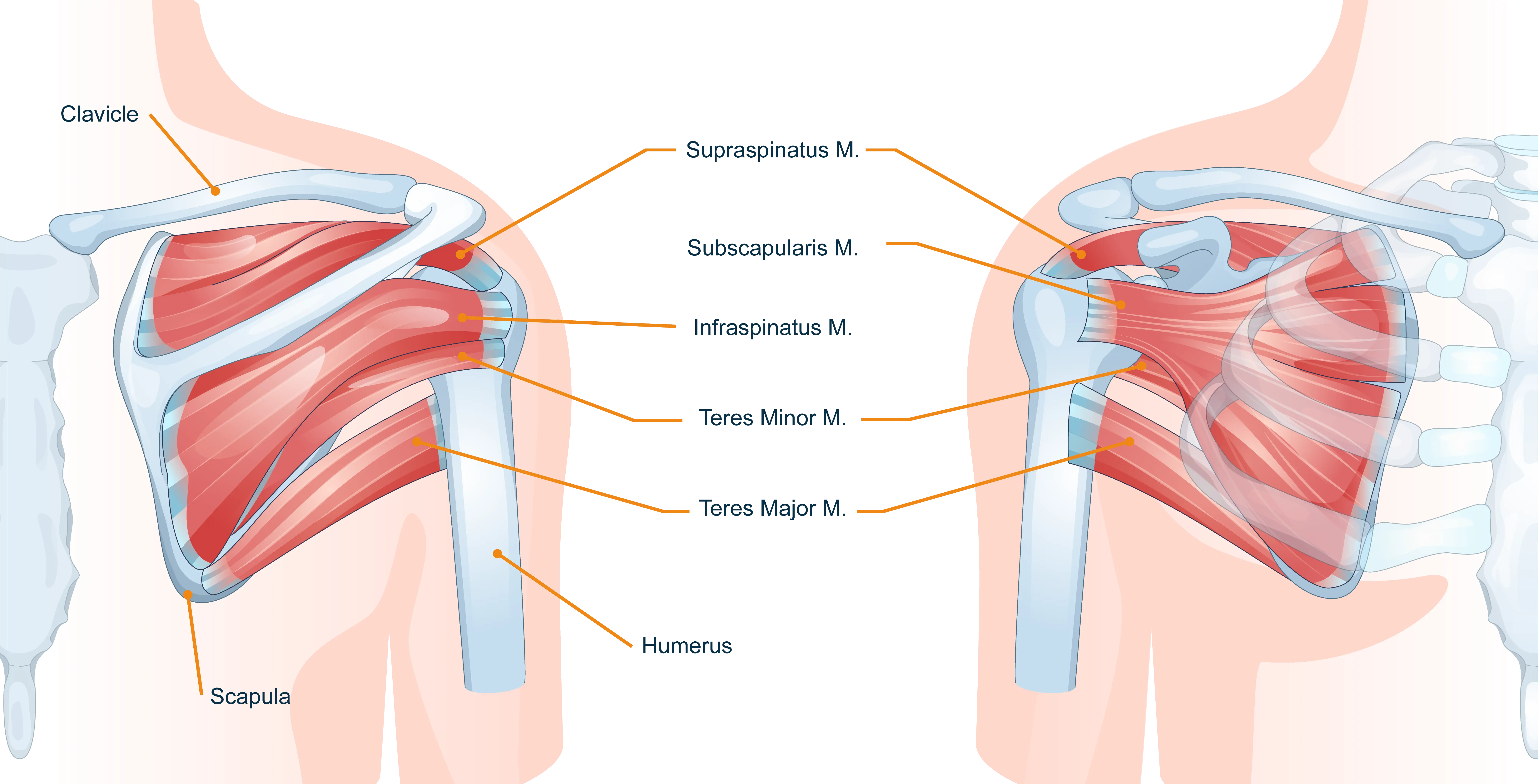
The shoulder is a ball-and-socket joint. The “ball” is the top of the upper arm bone, or humerus. The “socket” is the glenoid, a shallow dish on the shoulder blade. A group of four muscles and their tendons, called the rotator cuff, surround this joint. The rotator cuff stabilizes the joint and helps lift and rotate the arm. When the rotator cuff is healthy, it centers the humeral head in the socket. This allows the large deltoid muscle to provide the main power for lifting the arm.
However, years of wear or an injury can severely damage the rotator cuff. When the cuff fails, the mechanics of the shoulder can break down. The humeral head may shift upward and rub against the acromion, which is part of the shoulder blade. This abnormal rubbing causes significant pain and a specific type of arthritis. This condition is called rotator cuff tear arthropathy (CTA).
What is Reverse Shoulder Replacement Surgery?
A reverse shoulder replacement fundamentally changes the biomechanics of the shoulder joint. Instead of replacing the ball with a ball and the socket with a socket, the components are switched. In a reverse shoulder replacement, the surgeon attaches a metal ball to the shoulder socket (the glenoid). They then attach a plastic socket to the top of the humerus (the arm bone).
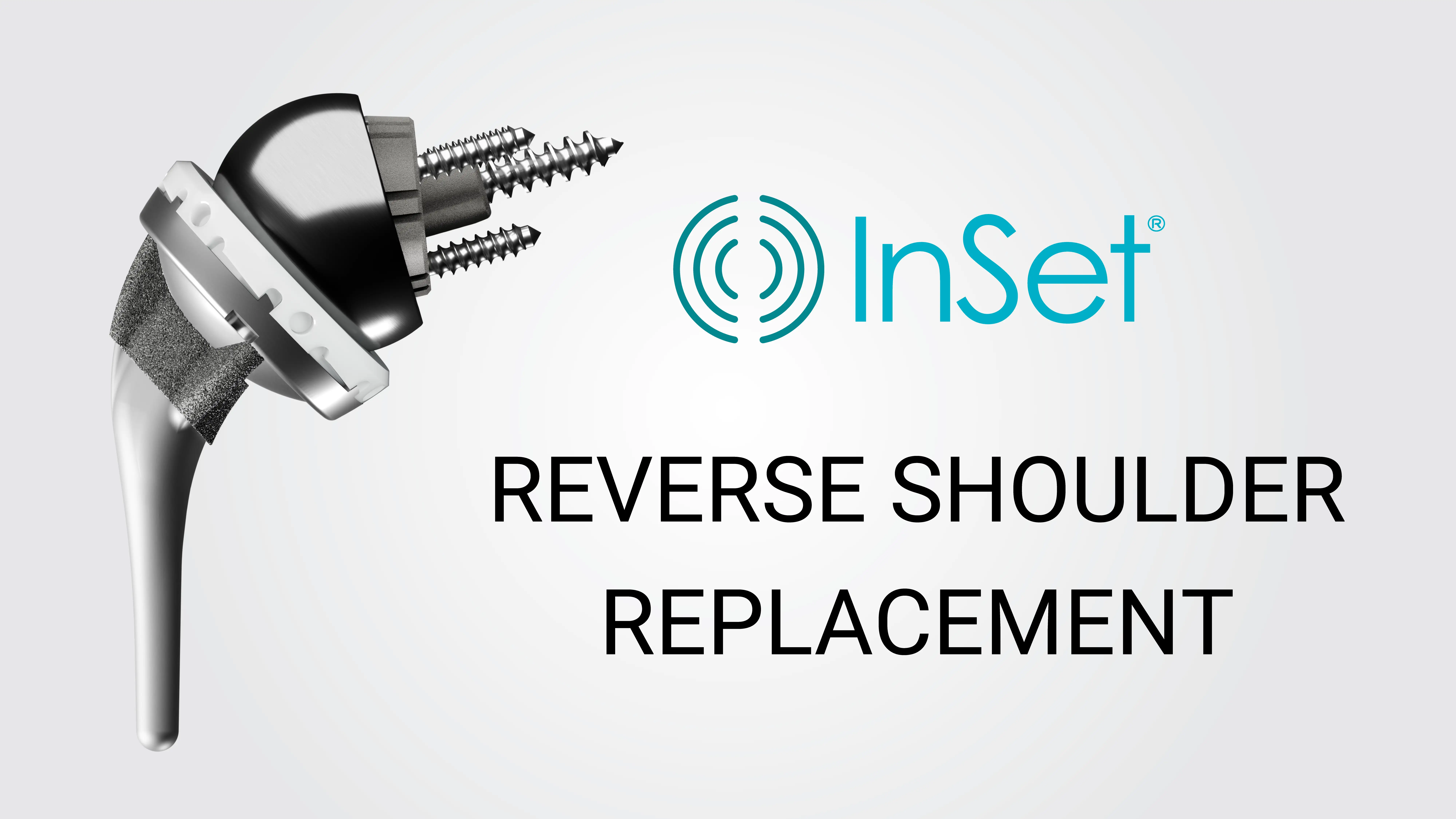
The new configuration changes the center of rotation of the shoulder. It moves the center of rotation downward and medially (closer to the body). This shift allows the deltoid to take over the function of the damaged rotator cuff.
Indications: When a Reverse Replacement May Be Recommended
The most common reason for this surgery is rotator cuff tear arthropathy (CTA). This condition combines a massive, irreparable rotator cuff tear with severe arthritis. The combination can lead to chronic pain and the inability to lift the arm.
Other conditions that may lead to a recommendation for reverse shoulder replacement include:
- Complex Proximal Humerus Fractures: Severe, multi-part fractures of the upper arm bone, especially in older patients with poor bone quality, can be difficult to reconstruct. A reverse replacement may offer a more predictable solution for some of these complex injuries.
- Rheumatoid Arthritis with Rotator Cuff Damage: In cases where rheumatoid arthritis has caused extensive damage to both the joint and the rotator cuff tendons, the reverse design may provide stability and function.
- Revision Surgery: If a prior total shoulder replacement fails because the rotator cuff is no longer functioning or because of component loosening that affects stability or motion, a reverse shoulder replacement may be considered as part of the revision plan.
It is important to understand that conservative treatments are usually the first line of defense. These may include physical therapy, anti-inflammatory medications, and injections. When these non-surgical options no longer provide adequate relief, and your quality of life is impacted, surgery may be discussed.
The Surgical Procedure: What to Expect
During pre-operative planning, your surgeon may use advanced imaging, such as CT scans, to create a detailed 3D map of your shoulder. The surgery itself typically takes a few hours. It is performed under general anesthesia, often combined with a regional nerve block. The nerve block helps manage pain for the first 12 to 24 hours after the procedure.
Some patients are able to return home the same day, while others stay overnight in the hospital. During this time, pain management is a priority.
Recovery and Rehabilitation
Initial Recovery Phase
While timelines vary between patients, many will wear a sling for the first four to six weeks. This protects the healing soft tissues and allows the components to settle. During this time, you will typically start gentle physical therapy. The therapist will guide you through passive range-of-motion exercises. This means they move your arm for you to prevent stiffness.
Mid-Recovery
Once you are cleared to begin active motion, the focus shifts. Patients may start strengthening the deltoid muscle. This muscle is now the primary engine of your shoulder. You will work on regaining the ability to lift your arm and perform daily activities. Many patients can resume light activities of daily living, such as dressing and eating, during this phase. Driving may also be possible once you are out of the sling and have regained sufficient control.
Recovery in the Long Term
Improvements in strength and function often continue for up to a year, and sometimes longer. You may transition from formal physical therapy to a home exercise program. The goal is to maximize your functional range of motion and strength. Many patients can return to activities like golf, swimming, and light yard work.
Summary
The development of what is reverse shoulder replacement surgery represents a major advancement in orthopedic care. By reversing the location of the ball and socket, it provides a possible solution for patients who previously had limited options. If chronic shoulder pain and limited function are impacting your life, it may be time to consider consulting with an experienced shoulder specialist.
Frequently Asked Questions
When can I drive after the surgery?
While timelines may vary, many patients are cleared to drive a car with an automatic transmission approximately six to eight weeks after surgery. You must have sufficient strength and reaction time to safely control the steering wheel and react in an emergency. Your surgeon will confirm your readiness during your follow-up appointments.
Can I return to sports after a reverse shoulder replacement?
Many patients successfully return to low-impact activities and sports. These may include golf, swimming (avoiding aggressive strokes), and walking. High-impact sports, heavy weightlifting, and activities that involve repetitive, forceful overhead movements are generally discouraged. The goal is to return to a functional, active lifestyle while protecting the implant from excessive wear.
What is the difference between a total shoulder and a reverse shoulder replacement?
An anatomic total shoulder replacement mimics the natural anatomy: a ball on the humerus and a socket on the glenoid. It typically relies on a healthy, functioning rotator cuff to restore function. A reverse shoulder replacement reverses this setup, placing a ball on the glenoid and a socket on the humerus. It is designed to function without a working rotator cuff, relying instead on the deltoid muscle.