
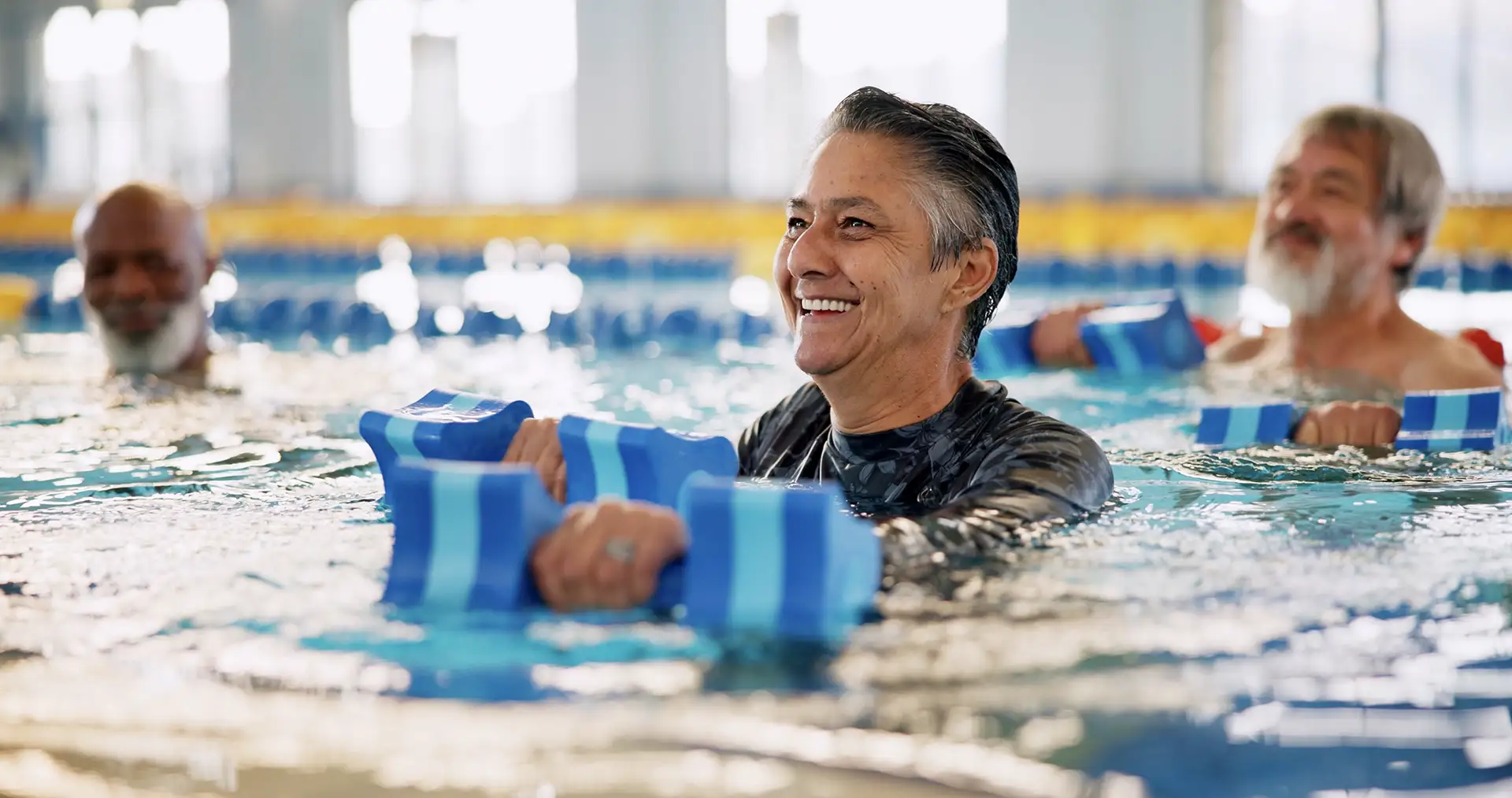
If you love spending time in the water, you’ve probably already found yourself wondering: Can you swim after shoulder replacement surgery? It’s one of the most common questions I hear from active patients here at my practice. The good news is that many patients do return to swimming after shoulder replacement surgery.
Shoulder replacement is a major procedure, and your body needs adequate time to heal before your new joint faces the demands of the water. Moving too fast can potentially jeopardize your recovery, and that’s not a risk worth taking. At the same time, swimming is generally considered a low-impact, joint-friendly activity that may be a good long-term option for staying active after surgery. When approached thoughtfully, getting back in the pool may be a very achievable goal.
Key Takeaways
- Swimming after shoulder replacement surgery is often possible for many patients, but most will need to wait several months before returning to the water.
- Your incision must be fully healed, and your surgeon must give you clearance before you enter any pool, lake, ocean, or hot tub.
- Timelines and limitations may differ between total shoulder replacement and reverse shoulder replacement patients.
- Always consult your surgeon before attempting any exercise in the water. Your individual recovery is the most important factor of all.
What Is Shoulder Replacement Surgery?
Before we talk about swimming, it helps to understand what shoulder replacement surgery involves. The shoulder is one of the most complex and mobile joints in the human body. It’s a ball-and-socket joint made up of three main bones: the humerus (upper arm bone), the scapula (shoulder blade), and the clavicle (collarbone). A smooth lining called articular cartilage covers the joint surfaces, allowing the shoulder to move freely and comfortably. Over time, conditions like osteoarthritis, rheumatoid arthritis, rotator cuff damage, or prior injuries can wear that cartilage down.
For patients undergoing anatomic total shoulder replacement, both the ball and socket are replaced with components that aim to replicate the natural shape and balance of the shoulder joint. For patients who have experienced significant rotator cuff damage, a reverse shoulder replacement may be recommended instead.
Why It Takes Time to Get Back to the Pool
It’s understandable to want to get back to the activities you love as quickly as possible. When shoulder replacement surgery is performed, your surgeon makes an incision through the skin and soft tissue to reach the joint. That surgical site needs time to close and heal, typically several weeks, at a minimum. During this period, submerging your shoulder in water of any kind carries a meaningful infection risk. Pool water, even with chlorination, is not sterile. Bacteria can potentially enter through a healing incision and cause a surgical site infection, which can be a complication after joint replacement surgery.
Beyond the incision itself, your muscles and soft tissue also need recovery time. The muscles around your shoulder were moved and manipulated during surgery. They need to rebuild their strength gradually through a structured physical therapy program before you start asking them to propel you through the water.
There’s also the implant to consider. Placing excessive or sudden stress on the joint before that fixation is established may not serve your recovery well. The early phase of healing is about giving your body the best possible foundation for long-term success.
The Healing Timeline: When Might Swimming Be Possible?
Most patients want a specific number: “How many weeks until I can swim?” The honest answer is that it depends on your individual healing process, the type of shoulder replacement you had, and how your recovery is progressing overall. That said, here’s a general picture of what many patients can expect:
Weeks 1–6: This is a strictly no-swimming period. Your incision is actively healing, and most patients are in a sling for part of this time. Physical therapy typically focuses on gentle pendulum exercises and early range-of-motion movements. Water submersion is not safe during this phase.
Weeks 6–12: Many patients begin more active physical therapy and may start to feel significantly better. Your incision may be well on its way to healing, but your shoulder is still rebuilding strength. Some surgeons may consider clearing patients for very light water-based activity, like walking in a pool, if healing is progressing well. This varies from patient to patient, and clearance from your surgeon is important before any aquatic activity.
3 to 6 Months: This is the window when many patients begin asking about lap swimming or structured water exercise. Low-demand strokes that involve minimal shoulder rotation, like a relaxed breaststroke or gentle flutter kick, may be introduced before more demanding strokes like freestyle or backstroke. Again, your surgeon’s guidance is the deciding factor.
6 Months and Beyond: For many patients, returning to regular lap swimming may become realistic somewhere in this range, depending on recovery progress and the type of replacement performed. Competitive or high-intensity swimming may take longer.
Does the Type of Shoulder Replacement Matter?
Yes, the type of shoulder replacement you had may influence your return-to-swimming timeline and what kinds of swimming are appropriate for you long-term.
With a total shoulder replacement, the natural mechanics of your shoulder are preserved and restored. Patients who have undergone total shoulder replacement may, over time, be candidates for a broader range of swim strokes, including freestyle and backstroke, though this still depends on individual recovery.
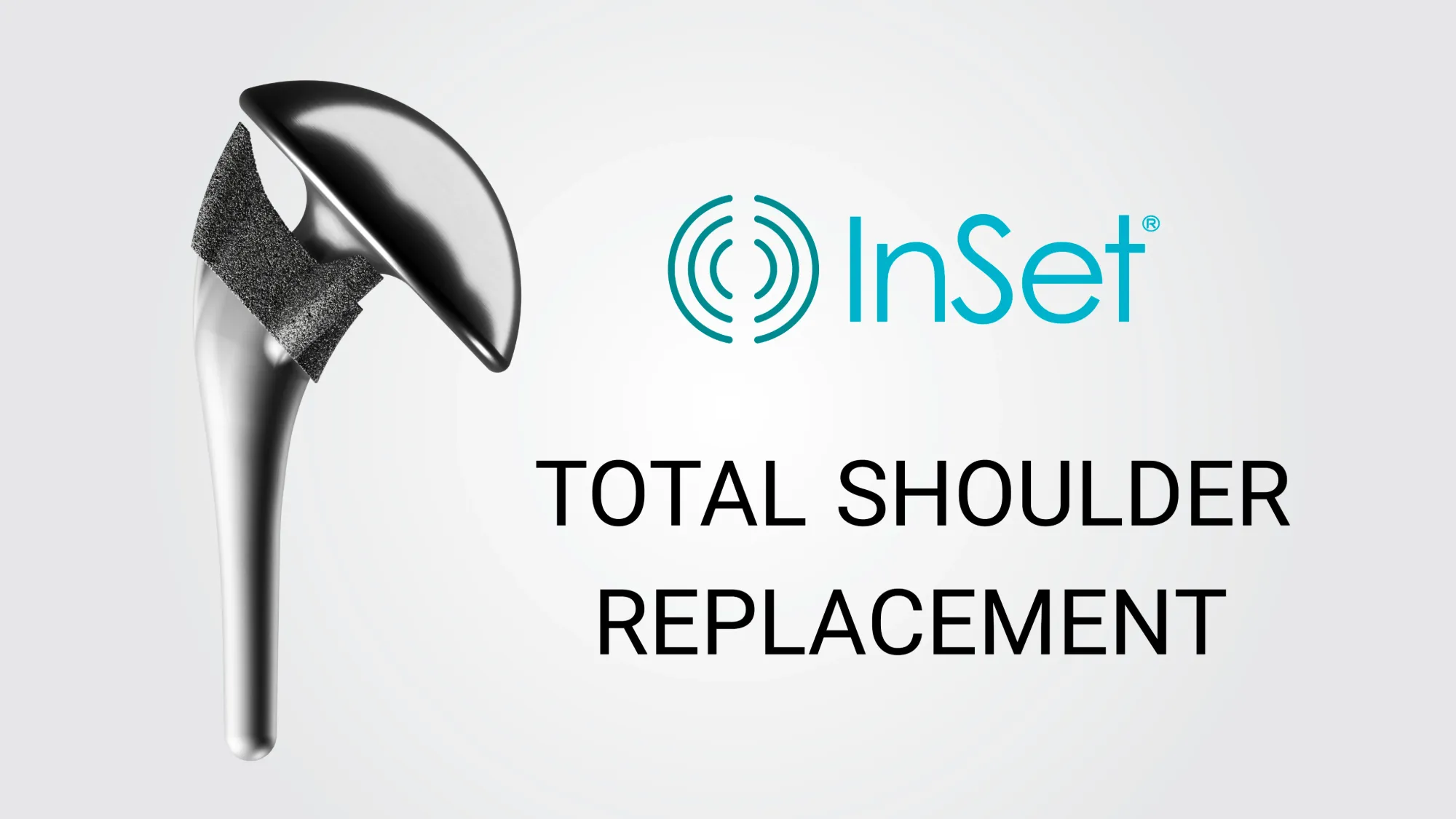
Reverse shoulder replacement patients have a somewhat different situation. In a reverse replacement, the positions of the ball and socket are switched; the ball is placed on the glenoid (socket) side, and the socket on the humeral side. This design allows the deltoid muscle to take on more of the work of moving the shoulder, which can be especially helpful for patients with significant rotator cuff damage or cuff tear arthropathy.
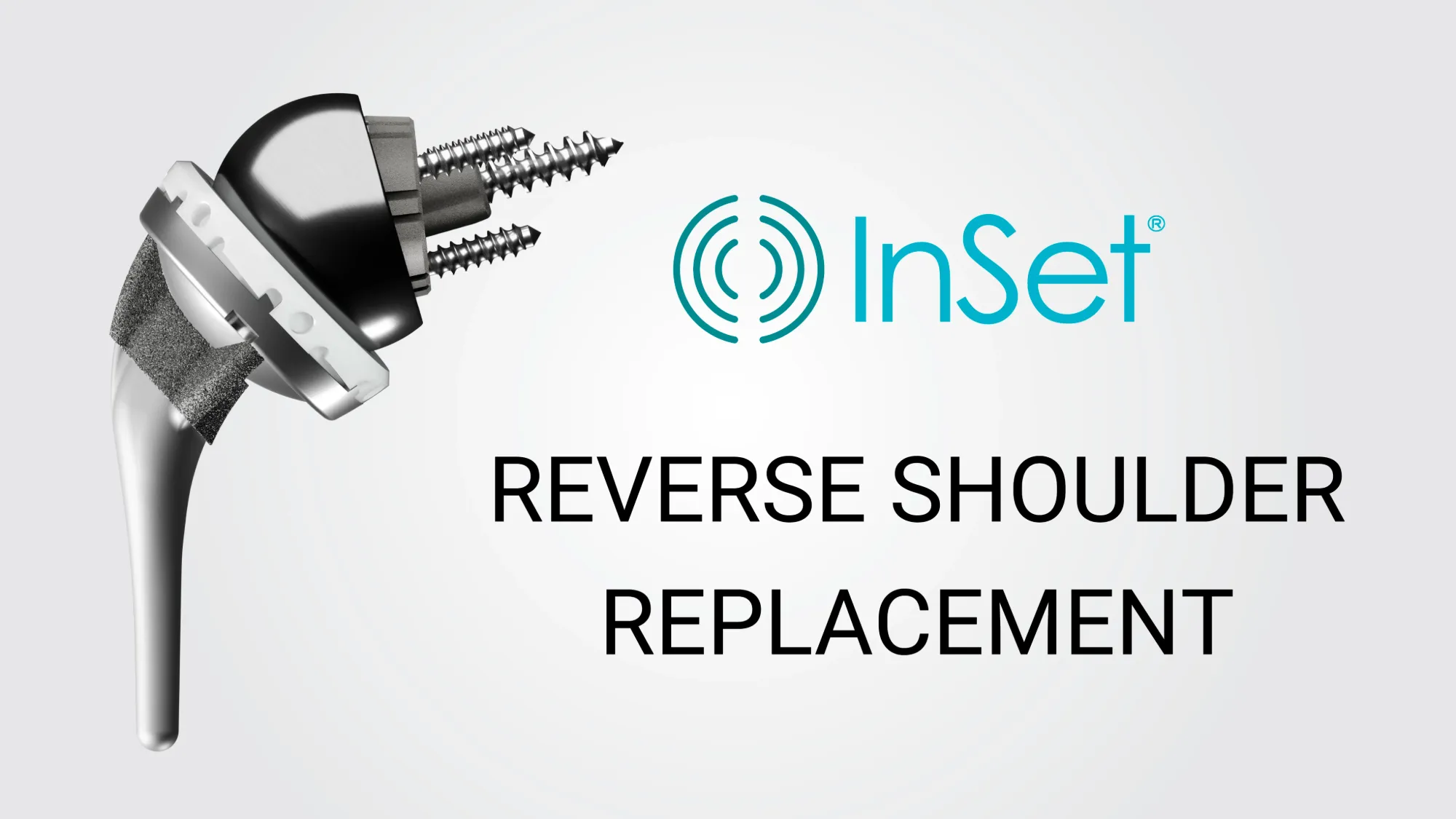
However, after a reverse shoulder replacement, certain movements, particularly those that place the arm behind the body or in extreme rotation, may be restricted on a longer-term basis.
Tips for Getting Back in the Water Safely
When the time does come to ease back into swimming, a thoughtful, gradual approach may help protect your shoulder and support your ongoing recovery. Here are some things to keep in mind:
- Start in shallow water. Pool walking or aquatic therapy in shallow water is often a smart first step before any actual swimming begins. Moving through water provides gentle resistance without the demands of overhead arm motion.
- Choose lower-demand strokes first. Breaststroke or a relaxed sidestroke typically places less stress on the shoulder than freestyle or backstroke. Butterfly stroke is generally the last to be reintroduced and may not be appropriate for all patients.
- Avoid extreme overhead reaching too soon. Even in the water, reaching your arm fully overhead can put stress on a recovering shoulder. Work up to it gradually.
- Listen to your shoulder carefully. Pain, a clicking sensation, or any feeling of instability during water exercise is a signal to stop and check in with your surgeon before continuing.
- Partner with your physical therapist. Your PT can help you develop a return-to-swimming plan that’s tailored to your specific recovery stage and goals.
- Rinse off after pool use. Even once you’re cleared for swimming, showering promptly after pool use is a good habit. Chlorine and pool water shouldn’t linger around the shoulder area unnecessarily.
Summary
So, can you swim after shoulder replacement surgery? For many patients, the answer is yes. Swimming is a low-impact, joint-friendly activity that may be a good long-term option for shoulder replacement patients. The key is not rushing. Your incision needs to fully close and heal, and your shoulder needs to rebuild strength through physical therapy. With a thoughtful, phased approach and open communication with your care team, returning to the pool may well be within reach.
Frequently Asked Questions
How long after shoulder replacement surgery can I swim?
Many surgeons recommend waiting at least three to six months before returning to lap swimming, though this varies by individual. The first milestone is full incision healing, which generally takes several weeks. After that, your shoulder still needs time to rebuild strength and for the implant to stabilize adequately. Your surgeon will provide clearance for swimming based on your specific recovery progress.
Can I get my shoulder wet after shoulder replacement surgery?
In the early weeks after surgery, keeping your incision dry is typically very important. Submerging your shoulder in any body of water is generally not recommended until your surgeon confirms that your incision has fully healed. Your discharge instructions will include specific showering and wound care guidance, and your surgeon will update those recommendations as your recovery progresses.
What swim strokes are generally safest after shoulder replacement?
Lower-demand strokes like breaststroke or a relaxed sidestroke are often considered a better starting point than freestyle or backstroke, as they typically involve less shoulder rotation and overhead extension. Butterfly is generally the most physically demanding stroke for the shoulder and is usually the last to be reintroduced, if at all. Your surgeon and physical therapist can help guide your stroke progression based on your individual healing and shoulder function.