Shoulder Surgery Sunnyvale TX
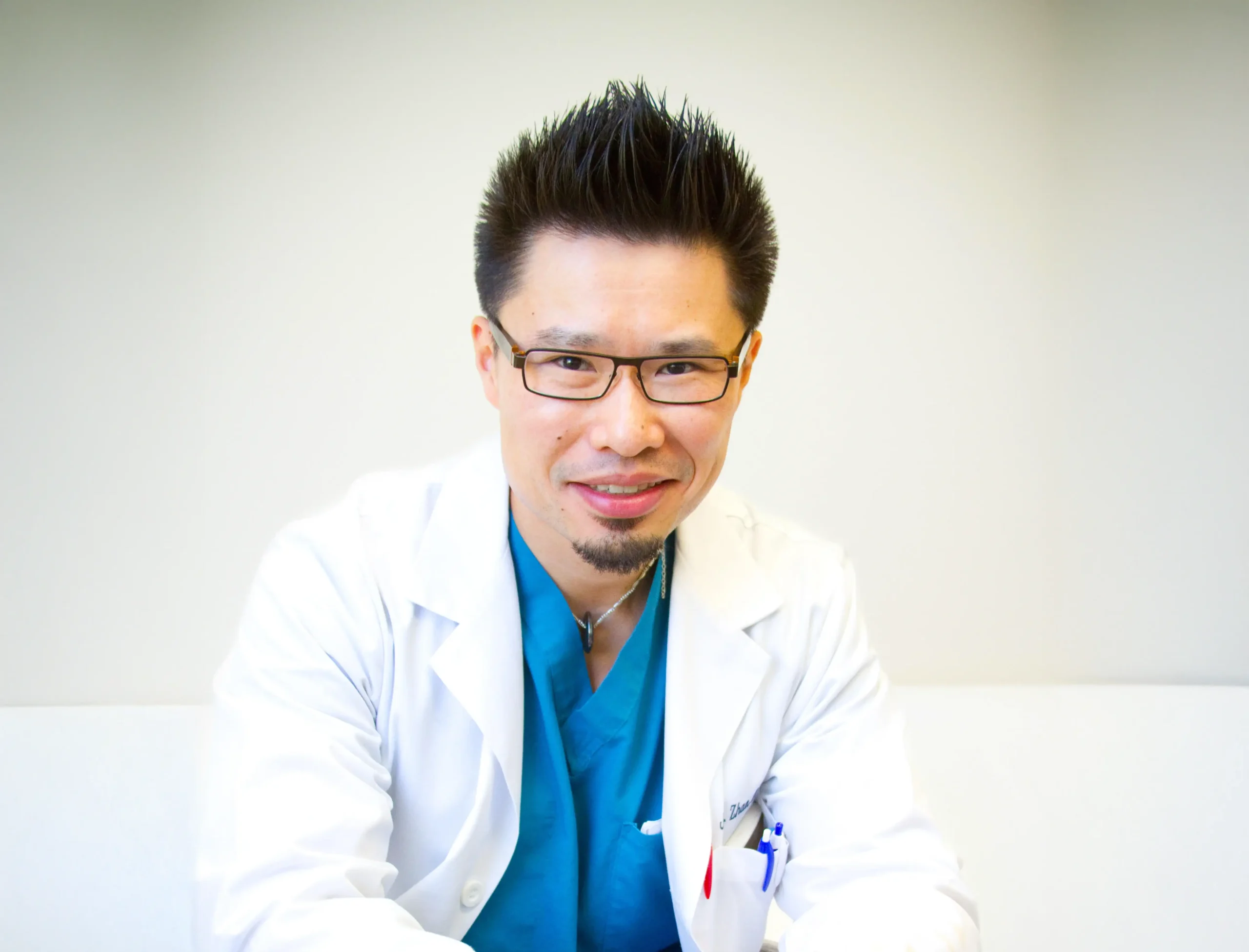
Jeff Zhao, DO | Eastern Dallas' Orthopedic Surgeon
Shoulder Surgery in Sunnyvale, Texas
Jeff Zhao, DO is a board-certified and fellowship-trained orthopedic surgeon providing comprehensive shoulder care for patients in Sunnyvale, Kaufman, and the greater East Dallas area. Shoulder problems can develop from rotator cuff tears, arthritis, fractures, dislocations, frozen shoulder, and labral injuries. These conditions cause pain, stiffness, and reduced mobility that affect work performance, recreational activities, and quality of life.
Dr. Zhao’s approach emphasizes accurate diagnosis and individualized treatment planning. His fellowship training in reconstructive shoulder surgery at the California Pacific Medical Center qualifies him to manage both routine shoulder conditions and complex cases including revision arthroplasties, infected shoulders, and failed rotator cuff repairs.
Understanding Shoulder Anatomy
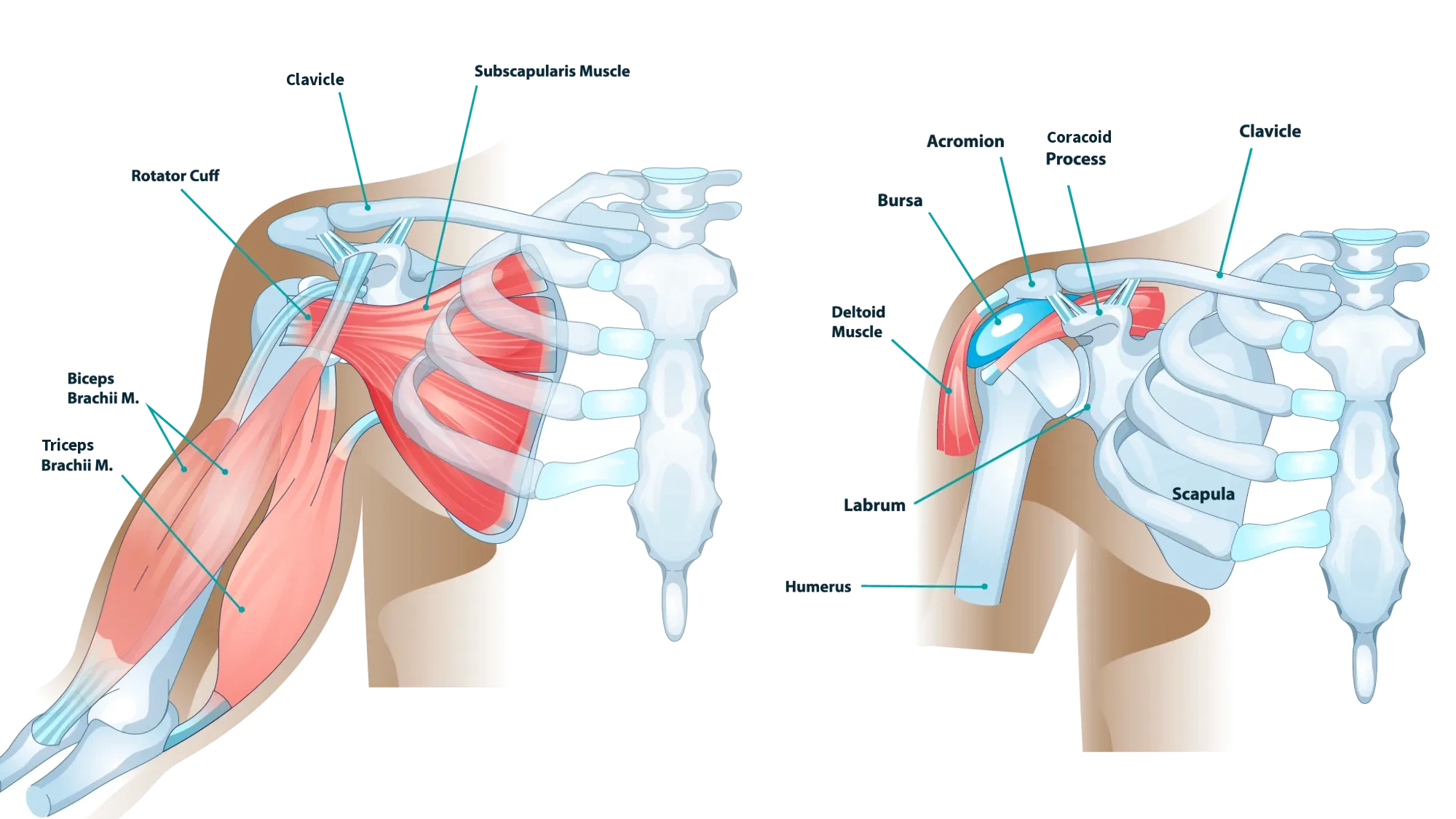
The shoulder is one of the most mobile joints in the human body. This complex structure consists of three bones: the humerus (upper arm bone), scapula (shoulder blade), and clavicle (collarbone). These bones work together to create a ball-and-socket joint that allows extensive range of motion.
The rotator cuff comprises four muscles and their tendons. These structures surround the shoulder joint and provide stability during movement. The labrum, a ring of cartilage, lines the socket and deepens the joint. Bursa sacs contain fluid that reduces friction between moving parts.
Several ligaments connect the bones and provide additional stability. The shoulder joint depends on this intricate network of bones, muscles, tendons, ligaments, and cartilage working in harmony.
Common Shoulder Conditions
Rotator Cuff Tears
Rotator cuff tears occur when one or more of the four tendons surrounding the shoulder joint become damaged. Symptoms include pain at rest and during activity, particularly when reaching overhead or behind the back, weakness when lifting or rotating the arm, a crackling sensation with shoulder movement, and progressive difficulty with daily activities. Pain often worsens at night and may disturb sleep. The shoulder may feel weak when attempting to lift objects or raise the arm to shoulder height.
Treatment begins with rest and activity modification to protect the torn tendon from further damage. Physical therapy focuses on maintaining range of motion and strengthening the surrounding muscles to compensate for the damaged rotator cuff. Anti-inflammatory medications help control pain and reduce inflammation. Corticosteroid injections may provide temporary relief when pain limits participation in physical therapy. Surgical repair may be recommended for complete tears, large tears, or when conservative treatment fails to restore function after three to six months.
Recovery from non-surgical treatment requires consistent therapy over several months. Surgical repair typically requires four to six months before returning to full activities, with complete healing taking up to one year.
Shoulder Impingement Syndrome
Shoulder impingement develops when the rotator cuff tendons become compressed between the bones during shoulder movements. Symptoms include pain when reaching overhead or behind the back, difficulty sleeping on the affected shoulder due to night pain, progressive weakness with overhead activities, and pain that radiates down the outer arm. The discomfort typically worsens with repetitive overhead motions and may improve with rest.
Treatment starts with rest and avoiding aggravating activities to reduce inflammation. Physical therapy emphasizes exercises to improve shoulder blade position and create more space for the rotator cuff tendons. Anti-inflammatory medications help manage pain and swelling. Corticosteroid injections into the subacromial space may relieve pain in the short term to support participation in therapy. Arthroscopic surgery to remove inflamed tissue and create additional space may be considered when symptoms persist despite six months of appropriate conservative treatment.
Recovery from conservative management typically requires around two to three months of consistent therapy. Arthroscopic decompression surgery may require three months or longer before full return to overhead activities and sports.
Frozen Shoulder (Adhesive Capsulitis)
Frozen shoulder occurs when the shoulder capsule thickens and tightens, restricting movement in all directions. Symptoms include gradual onset of shoulder pain that may be worse at night, progressive stiffness that limits reaching overhead, behind the back, and out to the side, difficulty with activities requiring shoulder rotation such as fastening a bra or reaching into a back pocket, and pain that may improve as stiffness worsens. The condition typically progresses through three distinct phases: freezing, frozen, and thawing.
Treatment focuses on maintaining shoulder motion and managing pain throughout the stages of the condition. Physical therapy includes gentle stretching exercises and joint mobilization techniques. Anti-inflammatory medications help control discomfort during the painful phase. Corticosteroid injections into the shoulder joint can reduce inflammation and improve participation in therapy. Manipulation under anesthesia or arthroscopic capsular release surgery may be necessary for severe cases that do not improve after six to twelve months of conservative management.
Recovery from conservative treatment typically takes twelve to eighteen months as the condition progresses through its natural phases. In some cases, surgical intervention may shorten the recovery timeline to three to six months with dedicated physical therapy.
Shoulder Arthritis
Shoulder arthritis develops when cartilage breakdown causes bone-on-bone contact within the joint. Symptoms include deep, aching pain that occurs both at rest and with activity, stiffness particularly noticeable in the morning or after periods of inactivity, grinding or clicking sensations during shoulder movement, progressive loss of range of motion affecting daily tasks, and weakness when attempting overhead activities. The pain may radiate down the arm and interfere with sleep.
Treatment begins with activity modification to reduce stress on the arthritic joint. Physical therapy maintains shoulder mobility and strengthens surrounding muscles to support the joint. Anti-inflammatory medications and topical treatments help manage pain and inflammation. Corticosteroid or hyaluronic acid injections into the shoulder joint may provide temporary symptom relief. Shoulder replacement surgery becomes the appropriate option when pain significantly impacts quality of life and conservative treatments no longer provide adequate relief.
Recovery from non-surgical management focuses on ongoing symptom control through exercise and medication. Total or reverse shoulder replacement generally requires six to nine months or longer for maximal recovery.
Shoulder Dislocation
Shoulder dislocation occurs when the humeral head separates from the glenoid socket, typically after trauma or a fall. Symptoms include obvious deformity or abnormal shoulder positioning, severe pain that prevents any arm movement, inability to move the affected arm, visible swelling and bruising, numbness or tingling in the arm or hand, and muscle spasms around the shoulder. The shoulder may appear squared off rather than rounded. Previous dislocations increase the risk of recurrence.
Treatment requires immediate reduction to relocate the joint back into proper position. Immobilization in a sling protects the shoulder during initial healing, typically for three to four weeks. Physical therapy begins after the immobilization period to restore strength and stability through progressive exercises. Pain medications help manage discomfort during the acute phase. Surgical stabilization may be recommended for recurrent dislocations, dislocations associated with significant structural damage, or first-time dislocations in young athletes at high risk for recurrence.
Recovery from a first-time dislocation managed conservatively takes approximately three months with structured rehabilitation. Surgical stabilization may require around six months before returning to contact sports or activities with high risk of re-injury.
Labral Tears
Labral tears occur when the ring of cartilage surrounding the shoulder socket becomes damaged from trauma or repetitive overhead activities. Symptoms include deep shoulder pain that is difficult to pinpoint, clicking or popping sensations during shoulder movement, feeling of shoulder instability or that the joint may give way, pain with specific movements such as reaching overhead or across the body, and weakness during throwing or overhead activities. SLAP tears specifically cause pain at the top of the shoulder during overhead motions.
Treatment depends on the location and severity of the tear and the patient’s activity level. Physical therapy focuses on strengthening the rotator cuff and shoulder blade muscles to improve stability. Anti-inflammatory medications help manage pain and reduce inflammation. Activity modification reduces stress on the damaged labrum while healing occurs. Arthroscopic surgery to repair or remove the damaged labral tissue is indicated when symptoms persist despite conservative treatment or when the tear causes significant instability or mechanical symptoms.
Recovery from conservative treatment may require three to four months of dedicated rehabilitation. Arthroscopic labral repair requires around four to six months of progressive therapy before returning to most activities.
Advanced Shoulder Procedures
Revision Shoulder Arthroplasty
Some patients require revision surgery after initial shoulder replacement. Failed components, infection, or continued pain may necessitate revision procedures. Dr. Zhao has specialized training in complex revision surgeries.
These procedures are technically demanding. The surgeon must remove existing hardware, address bone loss, and install new components. Infected shoulders require staged procedures with antibiotic spacers before final reconstruction.
Failed rotator cuff repairs may need revision surgery using advanced techniques. Augmentation with biological grafts or superior capsular reconstruction can restore function when traditional repair is not possible.
Total Shoulder Replacement
Total shoulder replacement involves replacing the damaged ball and socket surfaces of the shoulder joint with artificial components. This procedure is indicated for patients with severe arthritis, certain fractures, or other conditions causing significant joint damage. The damaged humeral head is replaced with a metal ball, and the glenoid socket is resurfaced with a plastic component. This restores smooth joint motion and eliminates bone-on-bone contact.
The surgeon removes damaged cartilage and bone from both the humeral head and glenoid socket. A metal stem is inserted into the humerus with a metal ball attached to replace the humeral head. The glenoid surface is prepared and fitted with a plastic component that provides a new socket surface. The prosthetic components are designed to replicate natural shoulder anatomy and motion.
Recovery from total shoulder replacement progresses through several phases. Initial healing often requires six to eight weeks, during which motion is gradually restored through physical therapy. The arm rests in a sling during early healing to protect the surgical repair. Strengthening begins once adequate healing has occurred. For many patients, most activities of daily living resume within three to six months. Full recovery can continue for up to a year or longer as strength and endurance improve.
Reverse Shoulder Replacement
Reverse shoulder replacement is a specialized procedure where the ball and socket components are switched from their normal positions. The metal ball attaches to the shoulder blade while the plastic socket attaches to the upper arm bone. This design is indicated for patients with rotator cuff tear arthropathy, massive irreparable rotator cuff tears, failed previous shoulder replacements, or complex fractures in elderly patients. The reversed anatomy allows the deltoid muscle to compensate for the damaged or absent rotator cuff.
The surgeon prepares the glenoid surface on the shoulder blade and attaches a metal baseplate with a metal ball component. The humeral component consists of a stem inserted into the upper arm bone with a plastic socket that articulates with the glenoid ball. This configuration changes the biomechanics of the shoulder to rely on the deltoid muscle rather than the rotator cuff for arm elevation.
Recovery follows a similar timeline to total shoulder replacement, with initial healing that can take six to eight weeks. The arm remains in a sling during the early healing phase. Physical therapy focuses on regaining motion and optimizing deltoid function. Patients work on adapting to the new shoulder mechanics. Functional gains continue for several months as patients adjust to the reversed anatomy.
Schedule Your Shoulder Consultation
Dr. Zhao provides specialized care for all shoulder conditions affecting patients in Sunnyvale, Kaufman, and the East Dallas region. He works towards a thorough evaluation, identifies the source of your shoulder pain and determines the most effective treatment approach. Whether you are dealing with a sports injury, degenerative arthritis, or complex revision surgery, Dr. Zhao offers both conservative and surgical treatment options tailored to your specific needs. Early diagnosis and appropriate treatment can prevent minor problems from becoming chronic conditions.
Request an appointment with Dr. Zhao to receive expert care and develop an individualized treatment plan that helps you return to your daily activities and lifestyle.